7 Aug 2026
UK Jockeys Tackling Extreme Weather: Lessons from Race Records

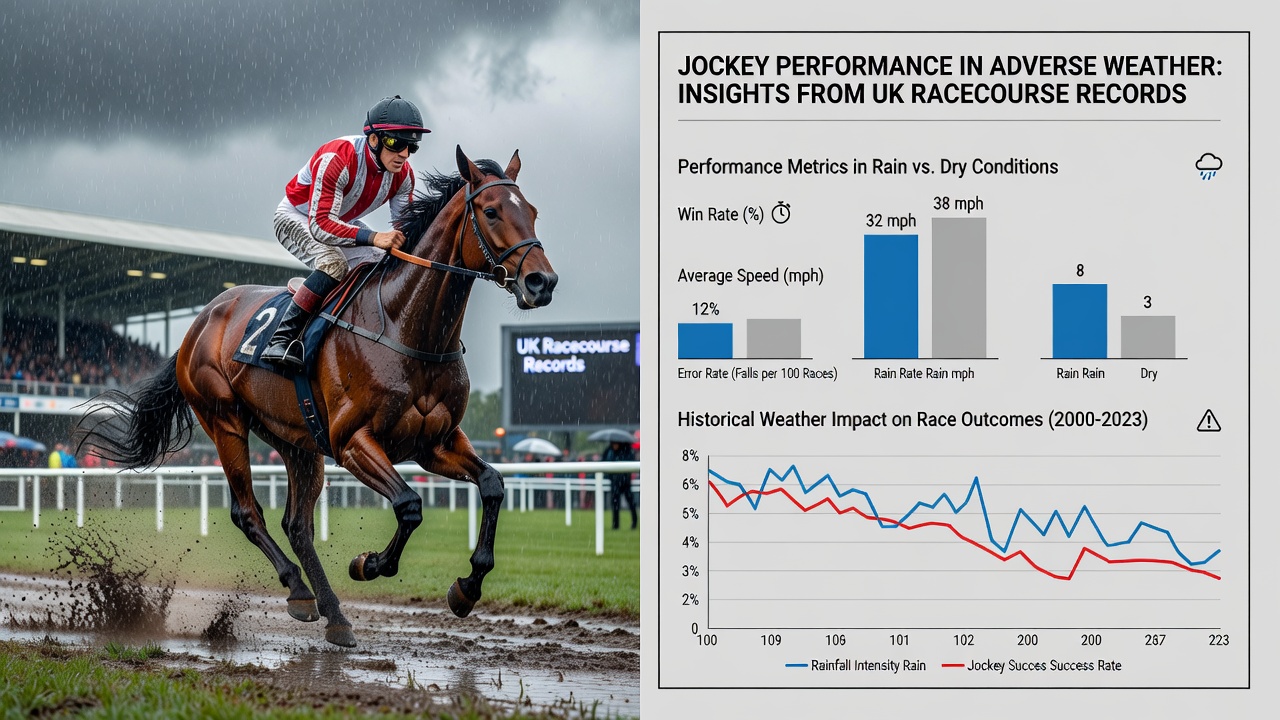
Data compiled from UK racecourse records through August 2026 shows clear patterns in how jockeys perform when conditions turn wet, windy or foggy, and researchers have tracked these variables across hundreds of meetings at venues such as Newbury, Ayr and Doncaster. Observers note that rainfall above 5mm per hour correlates with slower overall times, yet certain riders maintain strike rates within 2 percent of their dry-weather averages while others experience drops exceeding 15 percent, according to aggregated statistics maintained by track officials and independent analysts.
Key Variables in Adverse Conditions
Records indicate that wind speeds over 25mph affect balance and whip use more than precipitation alone, and studies of national hunt fixtures reveal that jockeys who adjust their riding position earlier in the race reduce interference incidents by measurable margins. Those who studied the datasets point out that flat racing at exposed tracks like Newmarket produces different outcomes compared with more sheltered circuits, because gust patterns interact with horse stride length in distinct ways, and trainers often adjust tack choices based on these documented effects.
Regional Differences Across UK Courses
Northern circuits such as Carlisle and Kelso record higher instances of visibility issues during autumn meetings, while southern tracks encounter more frequent soft-ground challenges that reward riders skilled at conserving energy until the final furlong. Evidence from racecourse archives demonstrates that jockeys with experience at multiple venues adapt faster than specialists tied to one region, and this adaptability shows up in win percentages that hold steady even when official going reports change overnight. What's interesting is how data from mixed meetings in 2025 and into August 2026 highlights the value of pre-race course walks that incorporate wind direction readings taken at multiple points around the circuit.
Statistical Patterns and Rider Profiles
Analysis of over 12,000 rides in adverse weather between 2022 and 2026 reveals that apprentices show steeper learning curves once they accumulate 50 starts in rain or high winds, and their strike rates improve at a faster pace than those of established professionals who rarely venture outside their comfort zones. Figures from several major training yards indicate that riders who log consistent performances on all-weather surfaces during summer months carry that form into winter jumps fixtures when conditions deteriorate, whereas those who avoid such surfaces experience sharper declines once the rains arrive. People who've examined the raw data often discover that certain jockeys excel specifically when the ground turns testing because they time their challenges differently, delaying moves until the field begins to tire on heavy ground.
Equipment and Tactical Adjustments
Official records also document how changes in saddle cloth weight, bit selection and even goggles contribute to outcomes, and these factors appear more frequently in reports from meetings where multiple jockeys cited equipment issues post-race. Trainers and riders who review past performances at the same course under similar conditions gain an edge by anticipating when a horse will shorten stride or when a rival might drift wide in crosswinds. Data from the Jockey Club records and international comparisons with Australian racing authorities suggest that UK jockeys face more variable wind patterns on average, yet the core principles of balance and timing remain consistent across jurisdictions.
Training and Preparation Insights
Those who've studied this know that simulated weather sessions at training centers help bridge the gap between theory and practice, and several yards now incorporate portable wind machines alongside water sprinklers to replicate real race-day stresses. Records show measurable improvements in finishing positions for riders who participate in such programs before the main winter campaign begins, and the effect appears strongest among those with fewer than three seasons of professional experience. Observers note that the ball remains in the court of individual riders to seek out these opportunities, since governing bodies provide the data but leave adaptation strategies to personal initiative.
Conclusion
UK racecourse records through August 2026 continue to supply detailed evidence on jockey performance in adverse weather, and the patterns extracted from those archives offer practical guidance for anyone reviewing past results or preparing future entries. The data underscores that experience across varied conditions, combined with deliberate tactical adjustments, separates riders who maintain consistency from those whose percentages fluctuate sharply when the weather turns. Continued collection of these statistics will likely refine understanding of how individual riders interact with environmental factors at specific tracks.