25 Aug 2026
Track Conditions Reshaping Trainer Approaches in Jump Racing Events
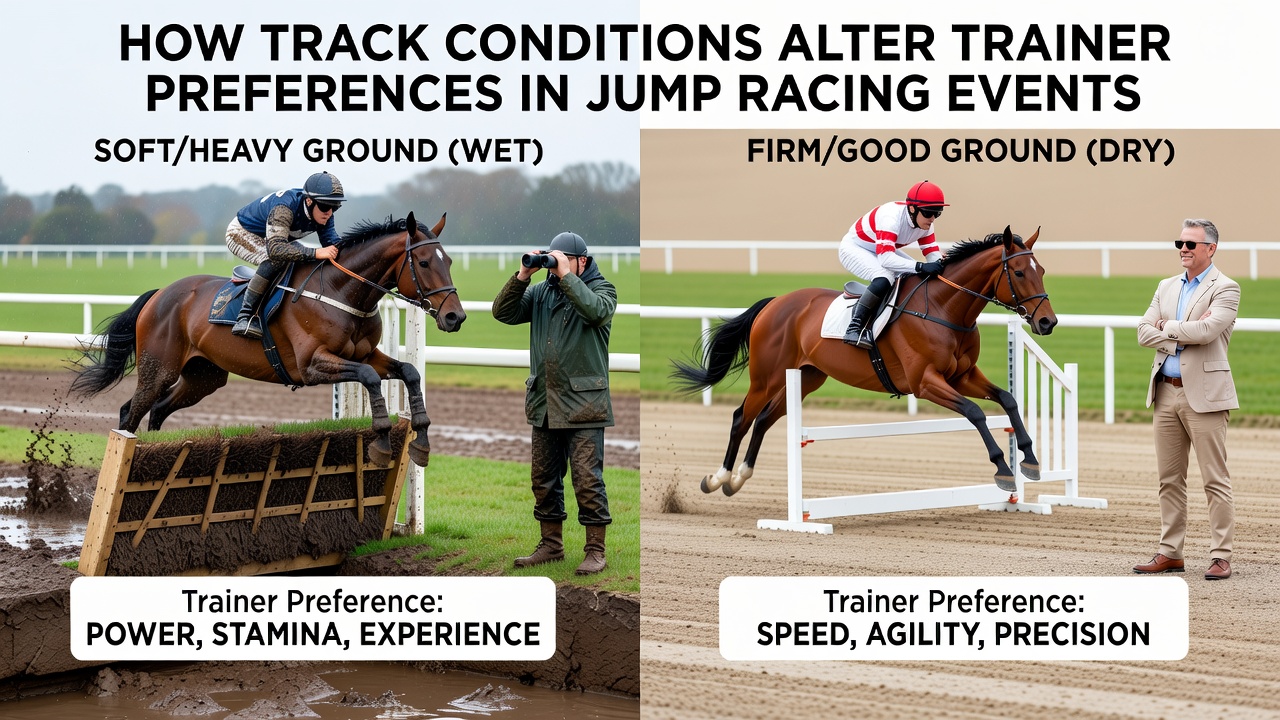
Jump racing events depend heavily on ground conditions that shift with weather patterns, and trainers adjust their horse selections accordingly based on historical performance records and surface testing data. Heavy ground tends to favor animals with proven stamina and jumping technique, while firmer surfaces reward speed and agility in those who handle quicker tempos without fatigue setting in early.
Ground Variations Across Seasons
Trainers review official going reports issued by racecourse officials before declaring runners, and patterns emerge when comparing results from spring meetings against winter fixtures where rainfall alters the turf dramatically. Data collected over multiple seasons shows certain yards consistently post higher strike rates on soft or yielding surfaces because their methods emphasize endurance work during preparation phases. Observers note that these preferences appear most clearly in long-distance handicaps and novice chases where horses must sustain effort over obstacles.
August 2026 fixtures at several tracks already indicate early shifts toward good-to-soft conditions following typical summer rainfall, prompting trainers to reassess entries for autumn campaigns. Research from equine performance studies highlights how muscle strain and joint stress increase on firmer ground, leading some operations to withhold horses until conditions soften.
Trainer Adaptation Strategies
Those who study trainer records find clear divisions in approach when conditions change, with specialists emerging for particular going types through careful horse placement. One study revealed that yards focusing on Irish-bred jumpers often excel when tracks become testing because breeding lines emphasize resilience over raw pace. Trainers monitor soil moisture levels and consult veterinary teams to decide which animals suit the prevailing surface, and this decision process directly influences stable entries at meetings like Cheltenham or Aintree.
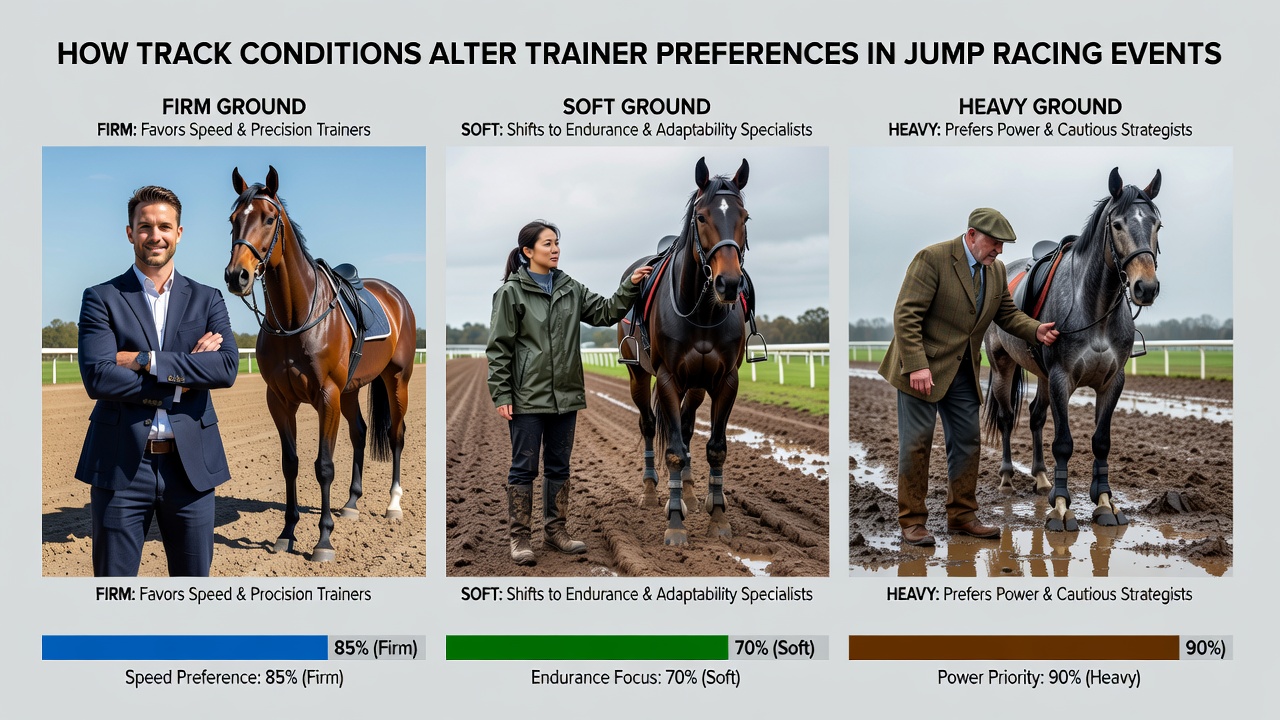
What's interesting emerges when examining win percentages split by official going descriptions, where certain methods produce stronger figures on heavy ground while others dominate when the surface remains good. Data indicates trainers with large strings rotate horses more fluidly between meetings, matching individuals to expected conditions rather than forcing unsuitable types into races. This practice reduces injury risks and improves overall stable performance across a campaign.
Data Patterns in Race Records
Figures from industry reports compiled by groups such as Horse Racing Ireland demonstrate measurable differences in trainer success rates tied to ground state, with statistical models confirming these trends hold across thousands of runs. Trainers often maintain separate squads for varying conditions, and records show higher strike rates when selections align with established surface preferences. Those who've analyzed form books over decades observe that early season declarations frequently shift once official going updates arrive closer to race day.
Canadian researchers publishing in veterinary journals have examined similar terrain effects on equine athletes, noting parallels in how moisture content affects stride length and energy expenditure during jumping efforts. Such findings support trainers who delay entries until conditions match horse profiles developed through gallops and schooling sessions.
Impact on Race Planning
Trainers coordinate with owners and jockeys to finalize selections, yet track conditions frequently dictate last-minute changes that alter competitive fields. Evidence suggests courses with pronounced undulations amplify these effects because downhill sections on soft ground demand greater control and balance from both horse and rider. Patterns appear most pronounced in graded events where top yards concentrate entries, and statistical breakdowns reveal distinct clusters of success linked to specific going categories.
August 2026 preparations already incorporate forecasts that anticipate typical late-summer transitions, allowing stables to plan horse movements between tracks with contrasting drainage characteristics. This forward planning reduces the frequency of non-runners while optimizing placement opportunities across the calendar.
Conclusion
Track conditions continue to drive measurable adjustments in trainer preferences throughout jump racing, with data consistently showing improved outcomes when selections match surface demands. Ongoing analysis of performance records and veterinary insights helps refine these decisions season after season. Trainers who integrate such information into their operations maintain competitive edges across diverse meeting types and ground states.