12 Sep 2026
Seasonal Variations in Goal Scoring Rates Across England's Lower Football Leagues
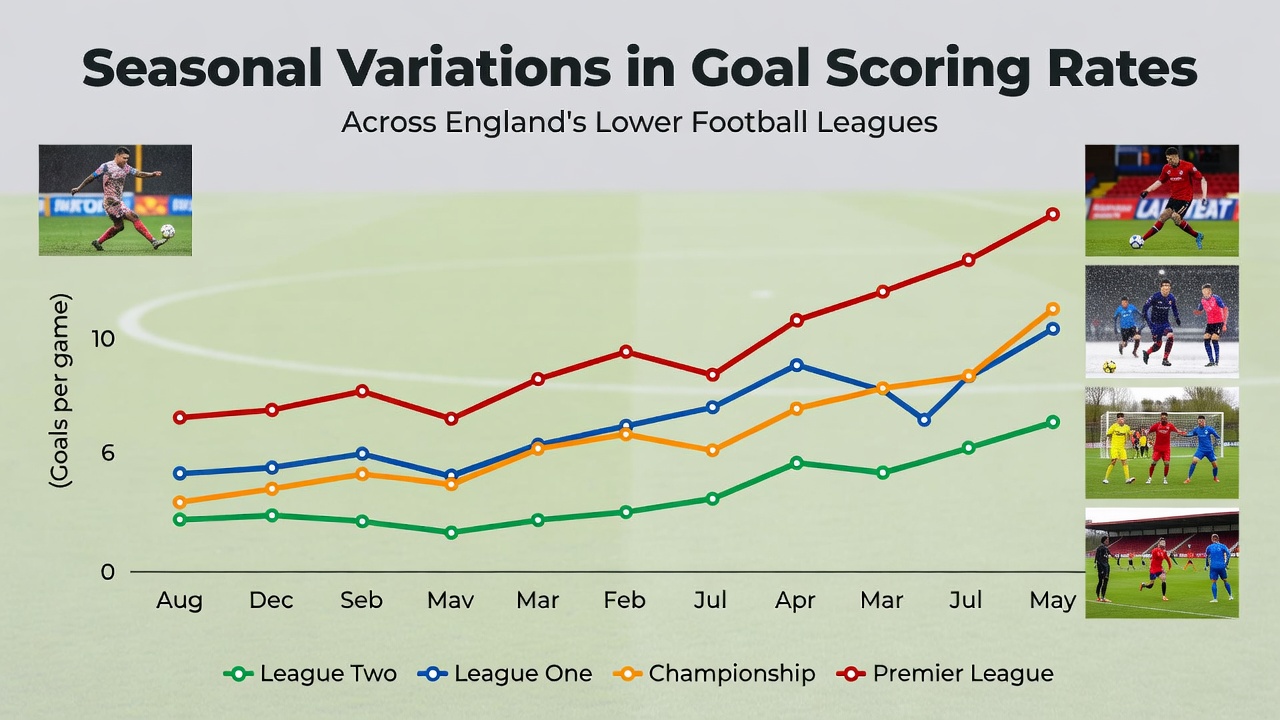
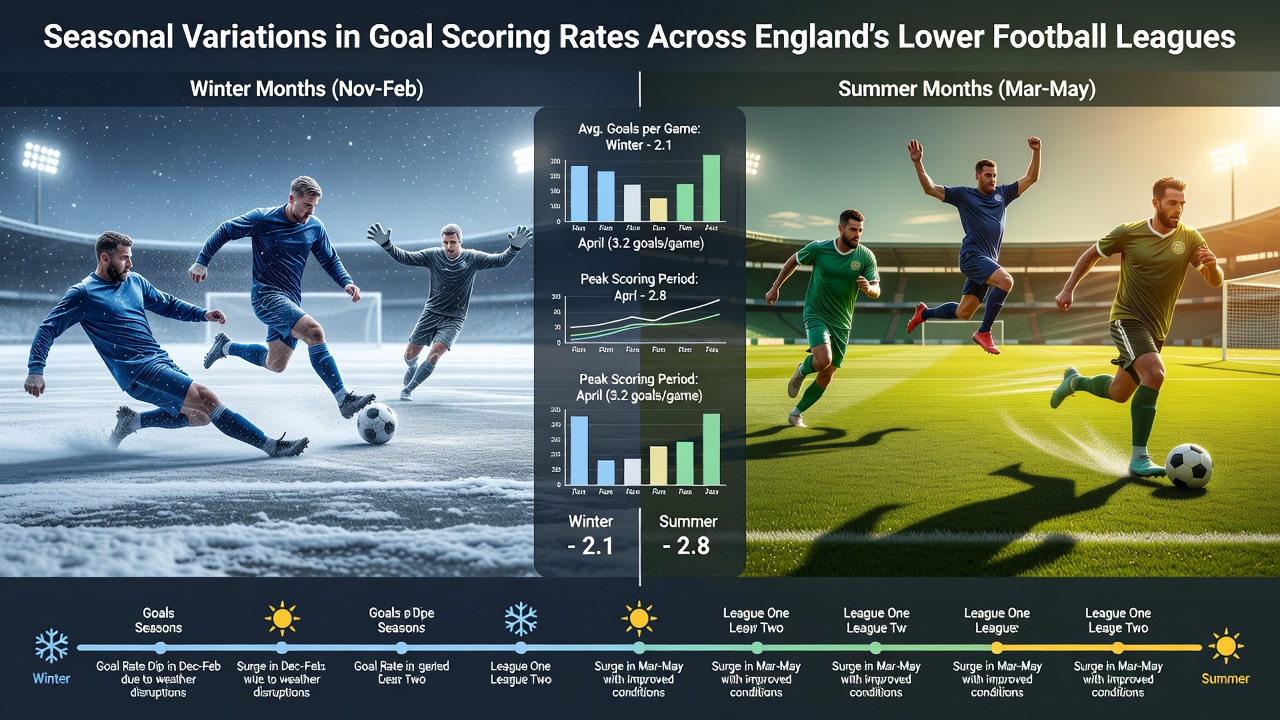
England's lower football leagues display clear patterns in goal scoring that shift with the calendar, and researchers tracking League One alongside League Two have documented these changes over multiple seasons. Data compiled by the English Football League reveals higher averages during spring months while winter fixtures often produce fewer goals, a trend tied to weather conditions, pitch quality, and fixture congestion. Observers note that these variations become particularly evident when comparing early autumn matches to those played in February or March.
Monthly Trends and League Data
Statistics from recent campaigns show that August and September typically feature moderate scoring rates around 2.6 goals per game in League Two, whereas October through December sees a dip toward 2.4 as heavier rainfall affects playing surfaces. Analysts who examined records stretching back to 2015 found that January games maintain similar restraint, yet February often marks the lowest point before numbers climb again in April. Those who've reviewed match reports from the 2025-2026 season confirm this cycle repeated, with September 2026 fixtures already reflecting the expected uptick as drier conditions return across southern and northern grounds alike.
Weather and Pitch Influences
Weather stands out as a primary driver because lower league clubs frequently play on pitches that lack the advanced drainage systems found in the top flight. Prolonged rain in November and December turns surfaces heavy, reducing the speed of passes and limiting clear-cut chances, while spring sunshine firms the ground and encourages more open play. Studies conducted by sports science teams at several universities highlight how temperature drops below five degrees Celsius correlate with a measurable decline in total goals, a pattern consistent across both League One and the National League. Teams adapt their tactics accordingly, shifting toward more defensive setups when conditions deteriorate.
Fixture Congestion and Player Fatigue
Fixture schedules add another layer because lower league sides often face three games in eight days during winter, leaving players with limited recovery time. Performance data indicates that teams playing midweek encounters score at reduced rates in subsequent weekend matches, a factor that compounds the effects of poor weather. Researchers tracking player workloads through GPS systems discovered elevated fatigue markers in January and early February, which align with the recorded drop in attacking output. Clubs that rotate squads more effectively mitigate some of this impact, though smaller budgets restrict options for many teams in League Two.
Regional Differences Across England
Geographic variation also appears in the statistics, with northern clubs experiencing sharper winter declines compared to southern counterparts because of harsher temperatures and more frequent frost. Southern pitches, by contrast, sometimes recover faster after rain, allowing slightly higher scoring in December and January. Figures compiled over five seasons demonstrate that clubs based in the north average 0.3 fewer goals per game during the coldest months than their southern peers, though this gap narrows once spring arrives. Observers tracking these regional splits emphasize the role of groundstaff resources in maintaining playable surfaces.
Implications for Match Analysis
Coaches and analysts review these seasonal patterns when preparing game plans, adjusting set-piece emphasis and pressing intensity based on expected conditions. Historical data from the English Football League shows that sides adopting a more direct style in winter months maintain their goal tallies better than those relying on intricate passing. Academic papers published by sports performance researchers further support the observation that pitch maintenance budgets correlate with scoring consistency throughout the year. These findings help clubs allocate limited resources toward groundskeeping during the most challenging periods.
Conclusion
Seasonal shifts in goal scoring across England's lower leagues follow predictable cycles driven by weather, pitch conditions, and scheduling demands. Records from multiple campaigns illustrate how rates fluctuate month to month, with spring months consistently producing more open contests. Clubs that monitor these trends alongside regional climate data gain practical advantages in preparation, while broader league statistics continue to reflect the same underlying environmental influences year after year.