11 Aug 2026
Mapping Jockey and Trainer Collaborations Across British Racecourses for Strategic Selection
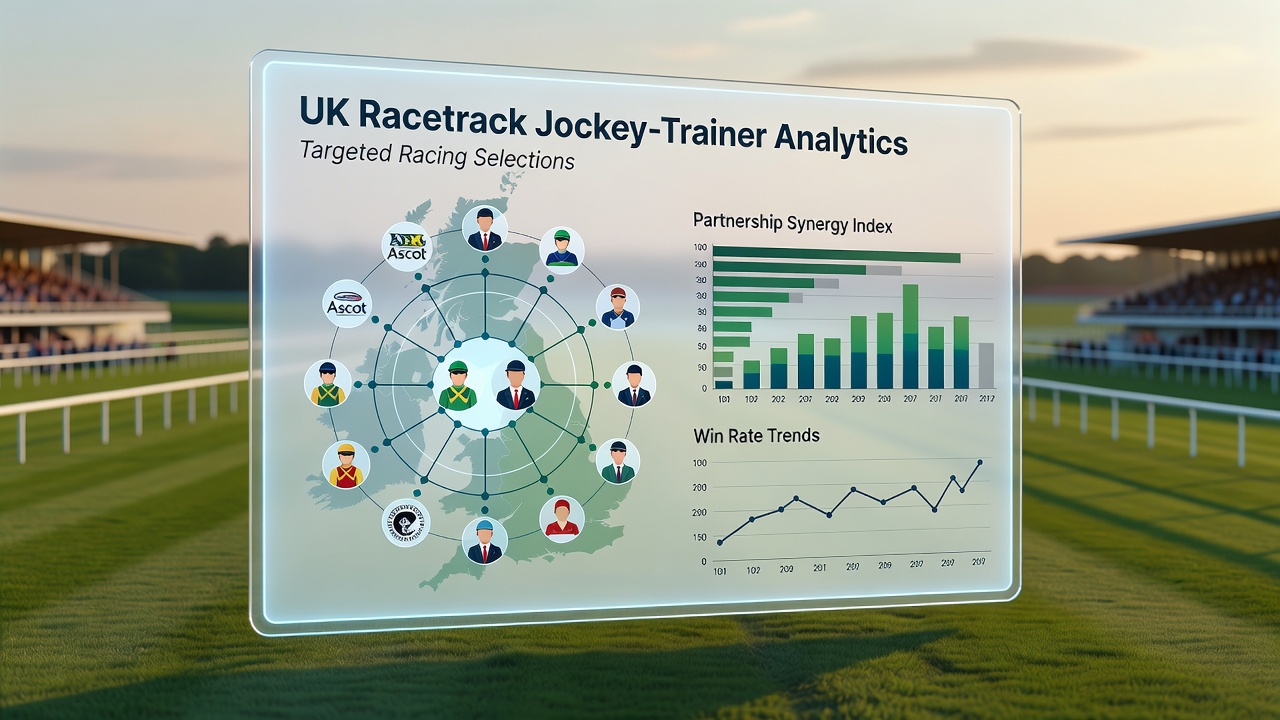
Data from multiple seasons reveals clear patterns when analysts examine how specific jockeys perform alongside particular trainers at individual venues, and observers note that these partnerships often produce measurable advantages in win rates and place finishes across flat and jumps racing.
Understanding Partnership Metrics at UK Venues
Researchers compile statistics by cross-referencing results from meetings at tracks like Ascot, Newmarket, York and Cheltenham, while they track strike rates, average returns and consistency under varying ground conditions; figures from the British Horseracing Authority show that certain combinations exceed average success thresholds by notable margins when restricted to specific distances or surfaces.
Those who study form records often isolate trainer-jockey pairs that deliver repeated top-three outcomes at courses with unique characteristics, such as tight left-handed circuits or uphill finishes, and data indicates these alliances strengthen when the same rider regularly partners horses from one stable over consecutive campaigns.
Regional Variations and Track-Specific Trends
Northern circuits including Haydock and Musselburgh display different partnership strengths compared with southern venues like Sandown and Goodwood, whereas analysts find that northern trainers frequently achieve higher strike rates with local riders on softer ground; this regional split emerges clearly when records are segmented by month and race type.
Speed figures and sectional data further refine these observations, allowing users to identify which combinations excel in sprint handicaps versus staying events, and studies conducted over five seasons confirm that targeted filtering by track bias improves selection precision without relying on subjective judgment.
Applying Data to Daily and Weekend Cards
Professionals integrate partnership charts into selection processes by layering them with trainer form, horse ability ratings and pace maps, while they monitor changes in stable staff or rider bookings that might alter historical patterns; such updates appear regularly in official result databases maintained by racing authorities.
One study released in early 2025 examined over 12,000 runs and found that partnerships with at least 20 prior outings at a given track produced win rates 18 percent above the overall average, yet the same research highlighted the importance of filtering for recent activity to avoid outdated signals.
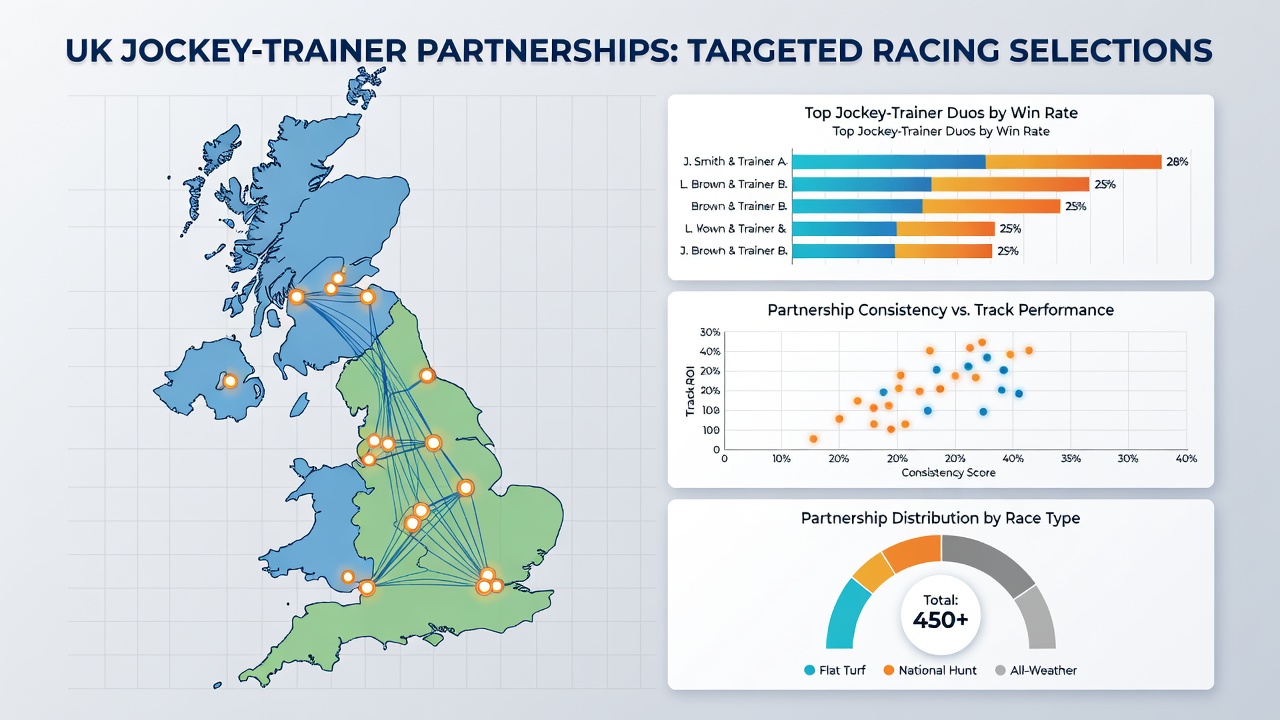
Seasonal Updates and August 2026 Developments
Industry reports scheduled for release in August 2026 will incorporate new results from teh summer festival season, and these updates will allow analysts to refresh charts with fresh data on emerging rider-trainer links at tracks hosting evening and twilight meetings; such refreshes help maintain relevance as stables adjust their campaigns mid-year.
International comparisons drawn from sources such as Equibase performance records provide additional context, since similar partnership analysis conducted in North American racing demonstrates parallel benefits when selections incorporate venue-specific history.
Practical Examples from Recent Campaigns
Records from the 2024-2025 jumps season illustrate how one established trainer-rider pairing achieved a 32 percent strike rate at Cheltenham over hurdles, while the same combination posted lower figures at other tracks; observers attribute the variance to course configuration and the rider's familiarity with the testing uphill finish.
Flat racing examples from Newmarket show several jockeys posting elevated place rates when booked by trainers who specialise in mile-and-a-half contests on the July course, and these trends hold when ground conditions range from good to soft.
Conclusion
Comprehensive charting of jockey-trainer partnerships supplies measurable inputs for racing selections across UK tracks, and ongoing data collection from official bodies continues to refine these tools; when combined with existing form analysis, the approach supports more precise targeting without introducing unsubstantiated assumptions.