14 Aug 2026
Betting Shops Close Across UK High Streets as Tax Pressures Mount

The Betting and Gaming Council has released figures showing that more than 540 high-street betting shops closed their doors and around 4,500 jobs disappeared in the UK since last year’s Budget, with the organization linking these developments directly to rising taxes and operating costs that include a doubled online gaming duty.
Scale of Recent Shop and Job Reductions
These closures represent a sharp acceleration in an already challenging environment for physical retail betting outlets, and the job losses affect staff who have worked in regulated premises for years while the industry body points to specific fiscal measures introduced in the Budget as the primary driver behind the trend.
Observers note that the figures cover a period of sustained cost increases that operators have absorbed through reduced staffing levels and site rationalization, yet the cumulative effect has produced the reported totals without any offsetting recovery in footfall or revenue at the remaining locations.
Longer-Term Decline Since 2019
The recent numbers build on a broader contraction that began in 2019, when approximately 3,000 shops and 15,000 positions were already eliminated across the same sector, and industry data shows that high-street betting has experienced consistent shrinkage for more than half a decade amid successive rounds of regulatory and fiscal adjustments.
Those who track employment patterns in regulated gambling have documented how the earlier losses concentrated in urban centers where multiple bookmakers once operated side by side, and the latest wave has extended the pattern into smaller towns where a single shop closure can remove one of the few remaining daytime employment options for local residents.
Tax Increases Cited as Key Factor
The Betting and Gaming Council attributes the closures to the combination of higher business rates, increased national insurance contributions, and the doubling of online gaming duty, all of which were either introduced or raised in the most recent Budget cycle, and these measures have raised the overall cost base for operators who maintain both physical and digital channels.
According to the council’s statement, the duty change alone added substantial overhead to remote betting activities that many high-street firms also run, forcing decisions to consolidate or exit marginal sites rather than continue absorbing the extra expense across the full estate.
Warnings Over Upcoming Sports Betting Taxes
The organization has further warned that additional tax increases scheduled for online sports betting will compound the pressure, and it highlights potential effects on high streets, employment levels, and the viability of regulated operators who currently pay taxes and comply with licensing requirements.
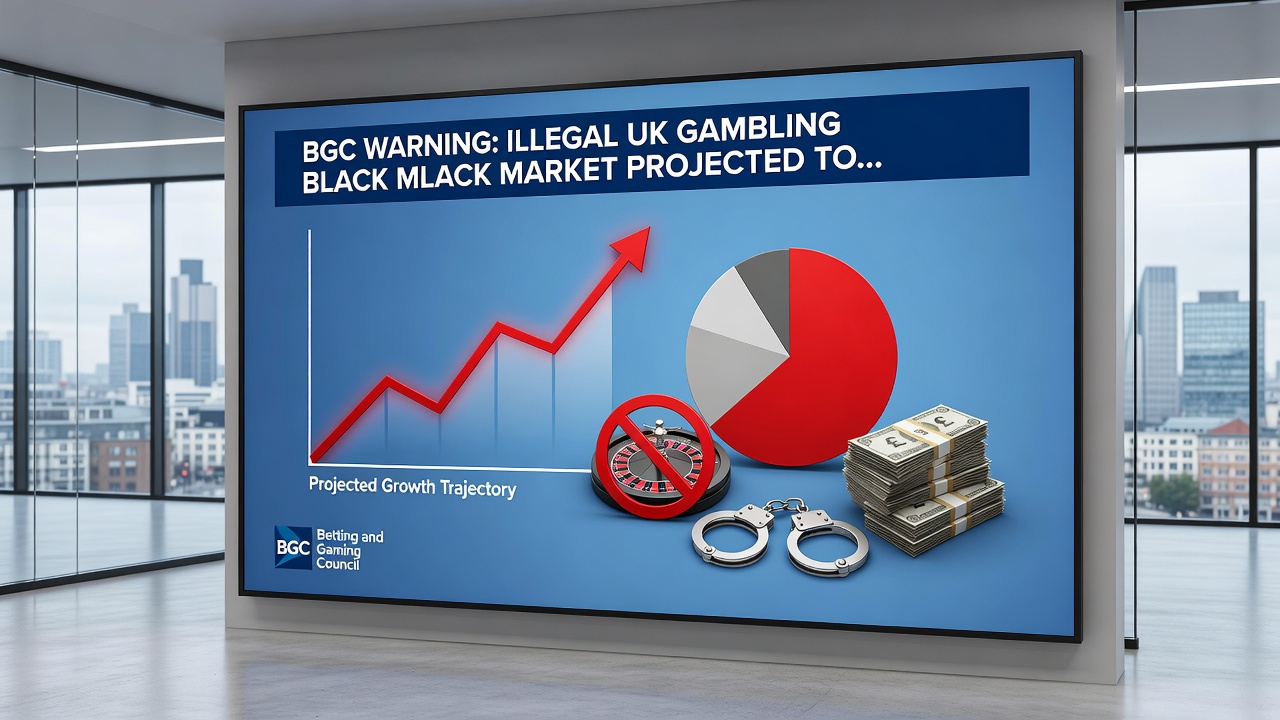
Further rises in this area, the council states, could accelerate the pace of shop closures beyond the 540 already recorded, while simultaneously pushing activity toward unregulated alternatives that do not contribute to Treasury receipts or maintain consumer protections.
Effects on Local Economies and Regulated Sector
High-street betting outlets have traditionally served as community anchors in many neighborhoods, providing employment and footfall for neighboring businesses, yet the documented losses mean fewer such locations remain available to fulfill those roles, and local authorities have noted corresponding drops in business rates income from the sector.
Regulated operators have emphasized that the closures reduce the number of premises subject to strict age verification and responsible gambling measures, while the council continues to track how the combination of past and forthcoming tax changes shapes the overall footprint of legal betting across the country.
Conclusion
The reported closure of more than 540 shops and the associated loss of 4,500 positions since the Budget reflect a measurable contraction in the UK’s high-street betting sector, and the longer-term figures since 2019 place these developments within a sustained period of structural adjustment driven by cumulative tax and cost pressures. The Betting and Gaming Council’s statements make clear that upcoming changes to online sports betting taxation are expected to influence future outcomes for employment and physical retail presence, while the organization continues to publish data on the scale of these shifts.